Special Species · Mohali

Thoughtful CareFor Every Kind of Companion

Birds, rabbits, small mammals and reptiles have unique health and husbandry needs. GreenCoatVets can help you discuss your animal’s concerns, understand the next steps and confirm whether a suitable consultation is available in Mohali.

Please contact the clinic before travelling so we can confirm species-specific appointment availability.

Veterinary team caring for companion animals at GreenCoatVets

GreenCoatVets

Species-aware veterinary guidance

Clinical case highlight

Turtle Carapace Fracture Repair

A turtle’s upper shell is called the carapace. This clinical video highlights shell repair and stabilisation performed by the GreenCoatVets team. The exact repair technique and recovery plan depend on the individual case.

Shell injuries require veterinary assessment. If your turtle has a damaged shell, contact the clinic for advice and to confirm the appropriate appointment.

Who we may be able to help

Care for Special Species, Exotic Animals & Birds

We provide species-aware veterinary assessment for exotic companion animals and birds, alongside other special species. Every animal has its own anatomy, behaviour and care requirements. Contact us with your animal’s species and concern so our team can confirm the appropriate appointment.

01

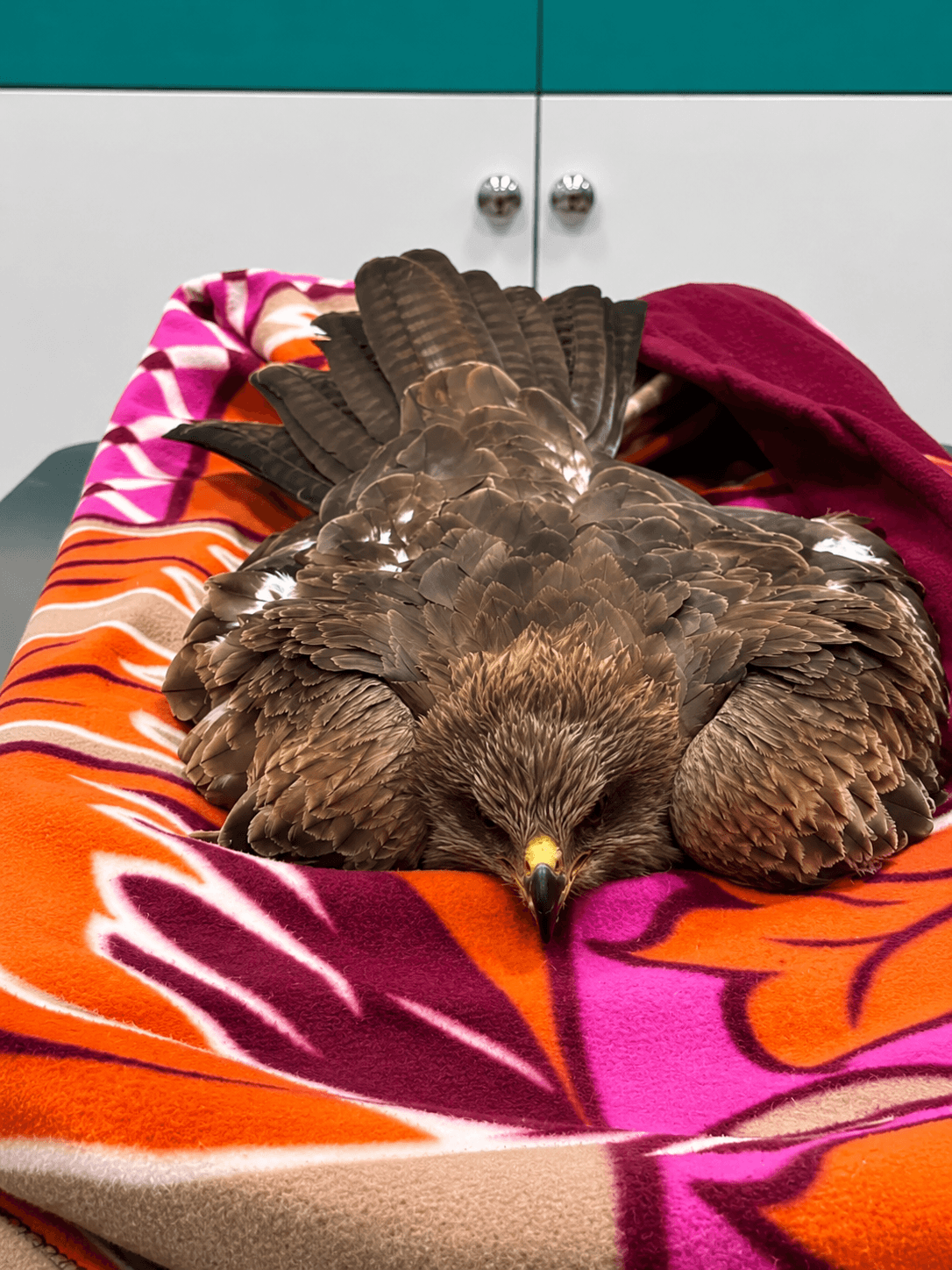
Birds & Avian Patients

Parrots, budgies, cockatiels and other pet birds

Birds can hide signs of illness. Changes in appetite, droppings, breathing, feather condition or activity should be discussed with a veterinarian familiar with avian patients.

02

Rabbits

Pet rabbits of different ages and breeds

Rabbit health concerns may include changes in eating, dental problems, digestive changes, reduced activity or skin and coat concerns.

03

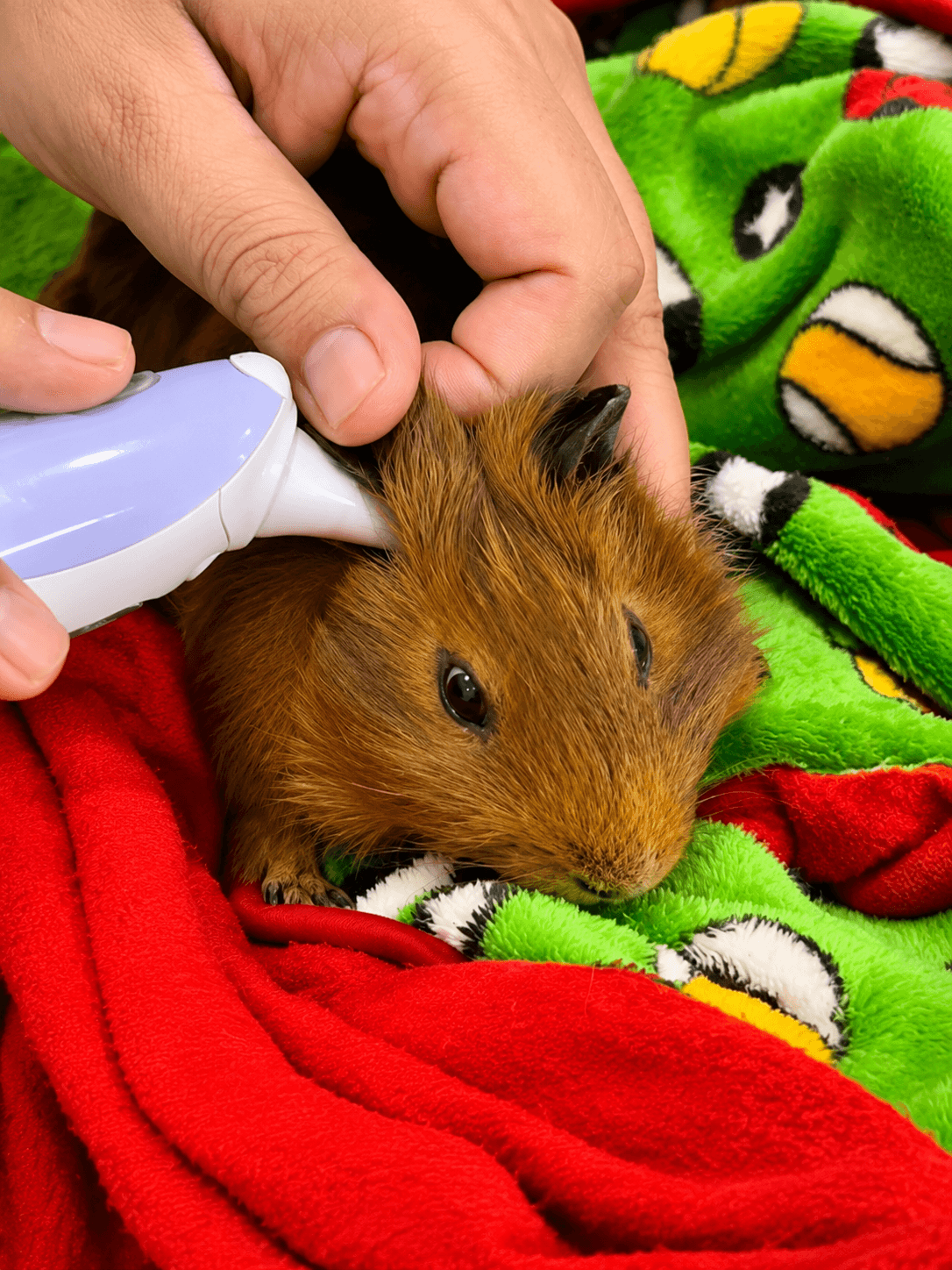
Guinea Pigs & Small Mammals

Guinea pigs, hamsters and other small companion mammals

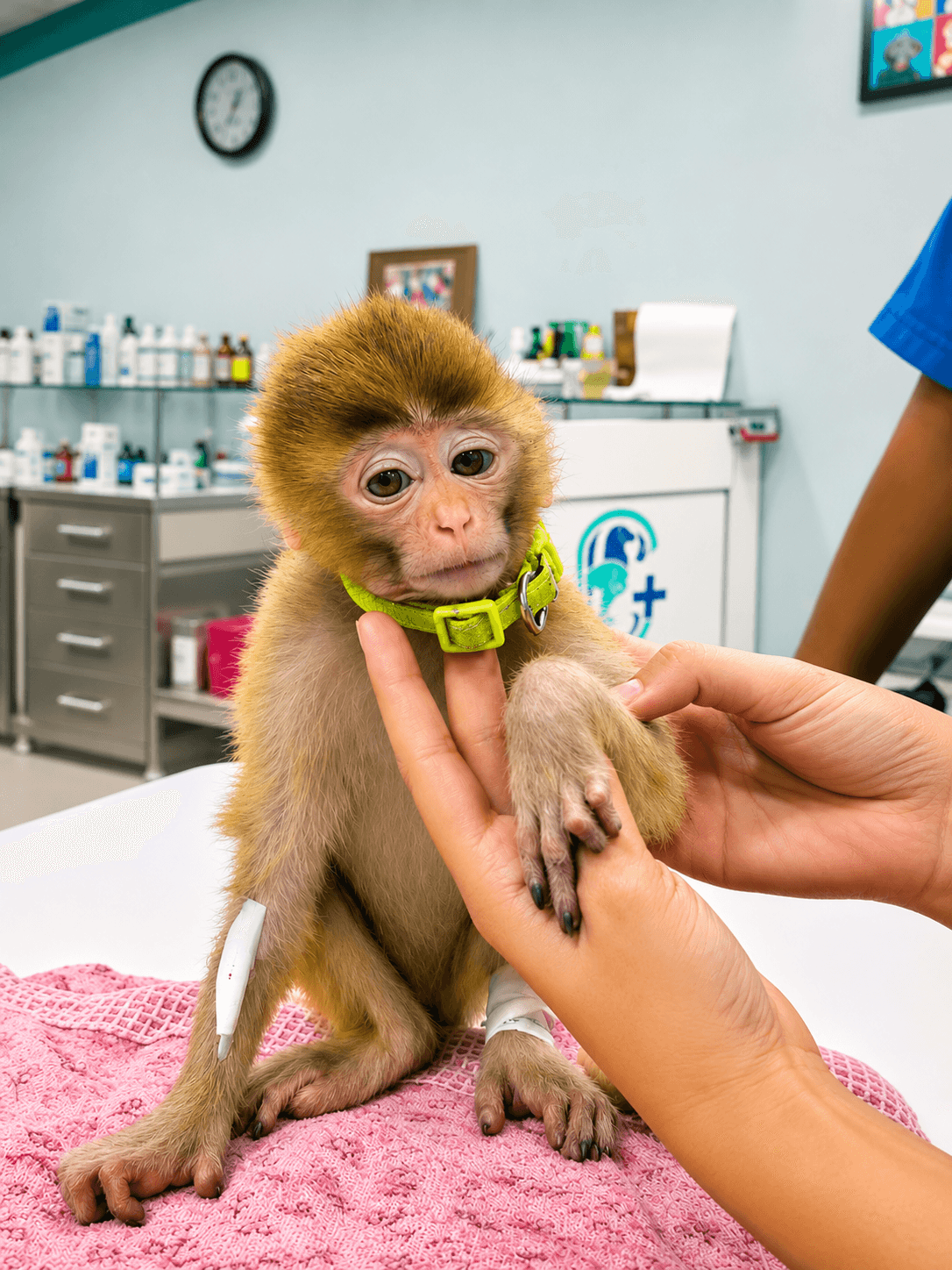
Small mammals need species-appropriate handling and assessment. Contact the clinic to confirm whether your particular species and concern can be seen.

04

Reptiles & Tortoises

Tortoises and other kept companion reptiles

Temperature, habitat, diet and husbandry can affect reptile health. Share details of the enclosure, lighting, feeding and recent behaviour when arranging an assessment.
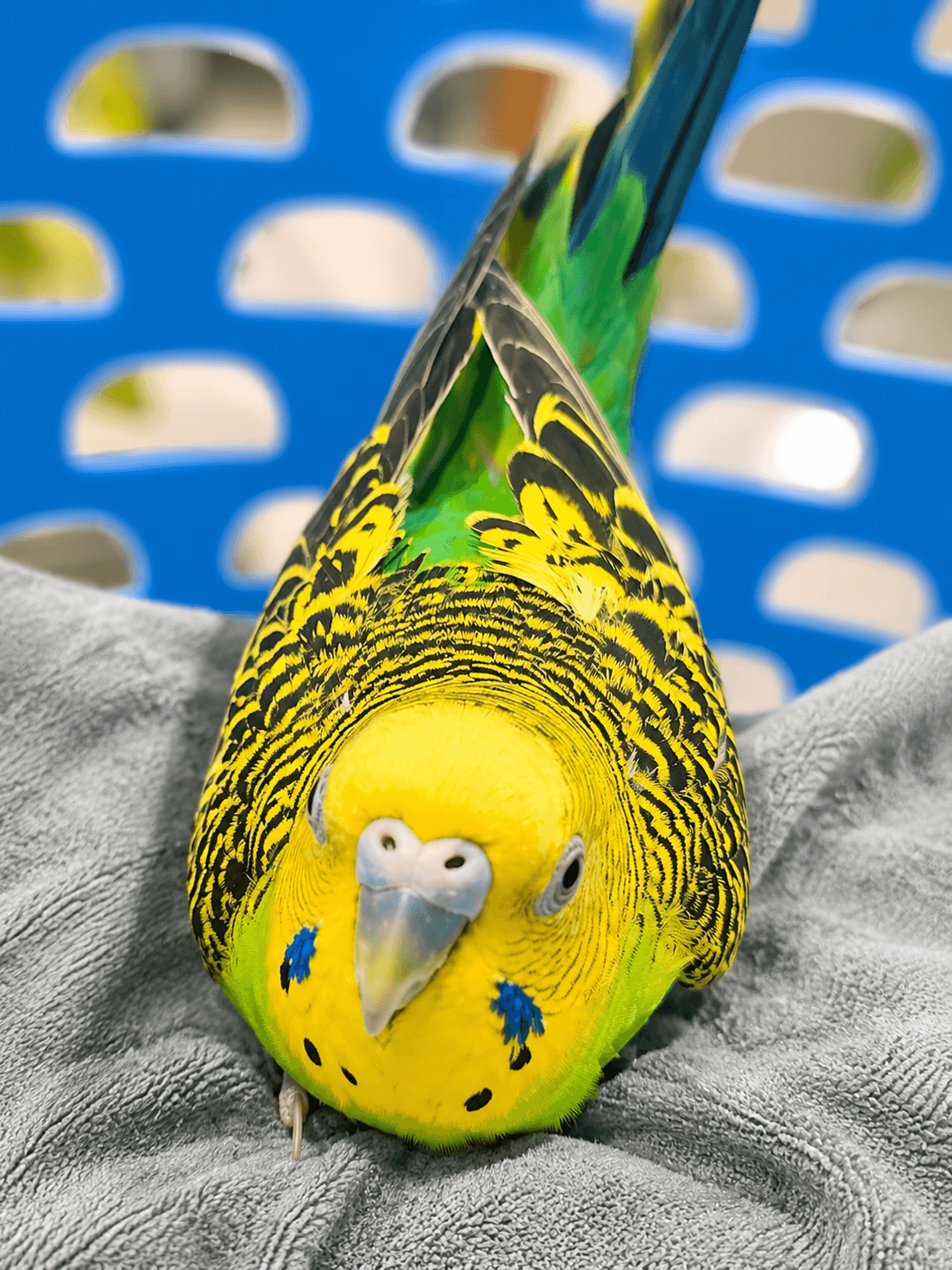
Birds & avian patients

Special Care for Pet Birds

Birds have unique health, behaviour and environmental needs. Changes in appetite, activity, breathing, droppings or feather condition may need veterinary attention.

Contact GreenCoatVets before travelling so our team can confirm whether an appropriate avian consultation is available.

Budgerigar being cared for

Bird Health & Wellbeing

Notice changes in behaviour, appetite or general condition.

Bird resting during veterinary care

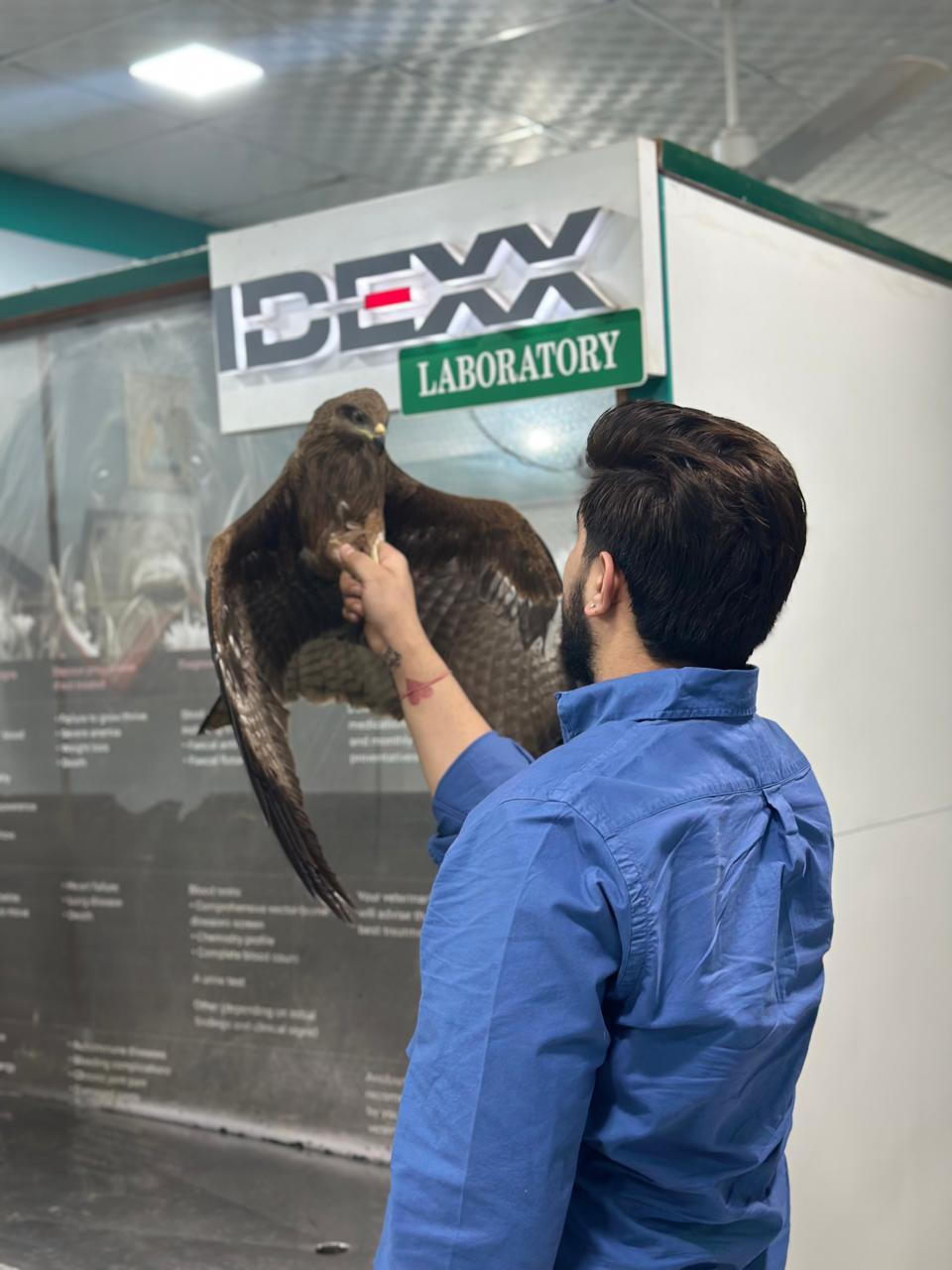
Care for Different Bird Species

Species-specific handling and husbandry are important.

Veterinary consultation at GreenCoatVets

A careful approach

Special Species Need Species-Specific Care

The right assessment starts with understanding the animal—not just the symptom. Handling, diet, housing and environmental conditions can all be relevant to the health of birds, rabbits, small mammals and reptiles.

Species and history

Age, background and previous health concerns

Diet and husbandry

Food, enclosure, temperature and lighting

Behaviour and symptoms

Changes in activity, appetite or routine

Safe handling

Reduce stress during transport and examination

When to seek advice

Signs That Should Not Be Ignored

Special species can sometimes hide signs of illness. Contact a veterinarian if you notice a new or persistent change.

If your animal is struggling to breathe, collapses, has severe bleeding or is unresponsive, seek urgent veterinary help and call ahead.

  • Eating less, refusing food or a change in drinking
  • Unusual droppings or changes in urination
  • Breathing changes, discharge or repeated sneezing
  • Reduced activity, weakness or unusual posture
  • Changes in feathers, scales, skin or coat
  • Swelling, wounds, limping or signs of discomfort

Before and during your visit

What to Expect at a Consultation

A little preparation can help the veterinary team understand your animal’s needs and plan a calm, appropriate assessment.

01

Tell us which species you have

When you contact the clinic, tell us the species, age and any important details about your animal. This helps us discuss whether an appointment is suitable.

02

Share the history and environment

Bring information about diet, habitat, temperature, lighting, routine, recent changes and previous medical care where relevant.

03

Veterinary assessment

The veterinarian will assess your animal according to its species, symptoms and tolerance for handling, and explain any recommended investigations.

04

Care advice and next steps

You will be advised about the treatment or supportive care options, husbandry changes where appropriate and whether a follow-up is needed.

Help us prepare

What to Bring or Tell Us

When booking, share as much relevant information as you can. It helps the team advise you before your visit.

  • Your animal’s species, age and approximate weight
  • Symptoms and when you first noticed them
  • Diet, habitat and daily routine
  • Previous medical records and test results
  • Current medicines or supplements
  • Photos or a short video of unusual behaviour, if safe to record
Veterinary diagnostic equipment used during animal assessment

GreenCoatVets · Mohali

Looking for Care for a Special Species?

Contact our team with your animal’s species and health concern. We can confirm whether a suitable consultation is available and help you understand the next step.

Helpful answers

Exotic Animal & Bird Care FAQs

Common questions about veterinary care for exotic animals, birds, rabbits, small mammals and reptiles.

What does special species veterinary care mean?

Special species veterinary care refers to health assessment and advice for companion animals other than the commonly seen dogs and cats. This can include birds, rabbits, small mammals and reptiles, depending on the clinic’s experience and appointment availability.

Does GreenCoatVets provide care for exotic animals and birds?

GreenCoatVets can discuss veterinary assessment for exotic companion animals and birds. Please contact the clinic before travelling with your animal and share the species and concern so the team can confirm whether an appropriate appointment and clinical support are available.

Can I bring my bird, rabbit or tortoise to GreenCoatVets?

Please contact GreenCoatVets before travelling and tell us the species and the reason for the visit. The team can confirm whether an appointment is available and advise you about bringing your animal safely.

What should I bring for a special species consultation?

Bring any previous medical records, medicines and details of the animal’s diet and living environment. For birds and reptiles, information about the cage or enclosure, temperature, lighting and recent husbandry changes can be helpful.

What signs mean my special species pet needs a vet?

Changes in eating, droppings, breathing, activity, posture or body condition can be important. Birds and small animals may hide illness, so contact a veterinarian promptly if you notice a change.

Do birds and reptiles need different handling from dogs and cats?

Yes. Different species have different handling, environmental and health needs. Avoid unnecessary handling and ask the veterinary team how to transport your animal safely.

Is special species care available 24 hours?

GreenCoatVets is open 24 hours, but special species appointments and emergency support may depend on the species and the clinical team available. Please call ahead to confirm.